
ADA-Accessible Website Design

Why Is This Important?

ADA lawsuits are real and increasing. According to usablenet, over 5,000 ADA-related digital accessibility lawsuits were filed in U.S. federal and state courts in 2025.

Just like a restaurant needs to have handicap parking spots, you need to have a website that a vision impaired user can navigate using their keyboard and a screen reader, which is a tool vision impaired users use to have their computer read websites to them.

Many web design companies do not spend the extra time necessary making sure their website design is accessible, and do not discuss it because it is very time consuming to implement. Do not be fooled by a company that prices their services at a low one time fee because this could be the most expensive purchase you have ever made.

ADA accessibility does not come from a one time scan. Something as simple as adding new content without the proper tags, headings, contrast, or captions can break compliance. This is one of the reasons why we charge on-going monthly rates and include content updates done for you into that cost.

We provide a scanning tool with every website we create, and scan it for you on creation and at request. No tool is perfect, but this focus and practice greatly decreases the chance you will be involved in a costly lawsuit.
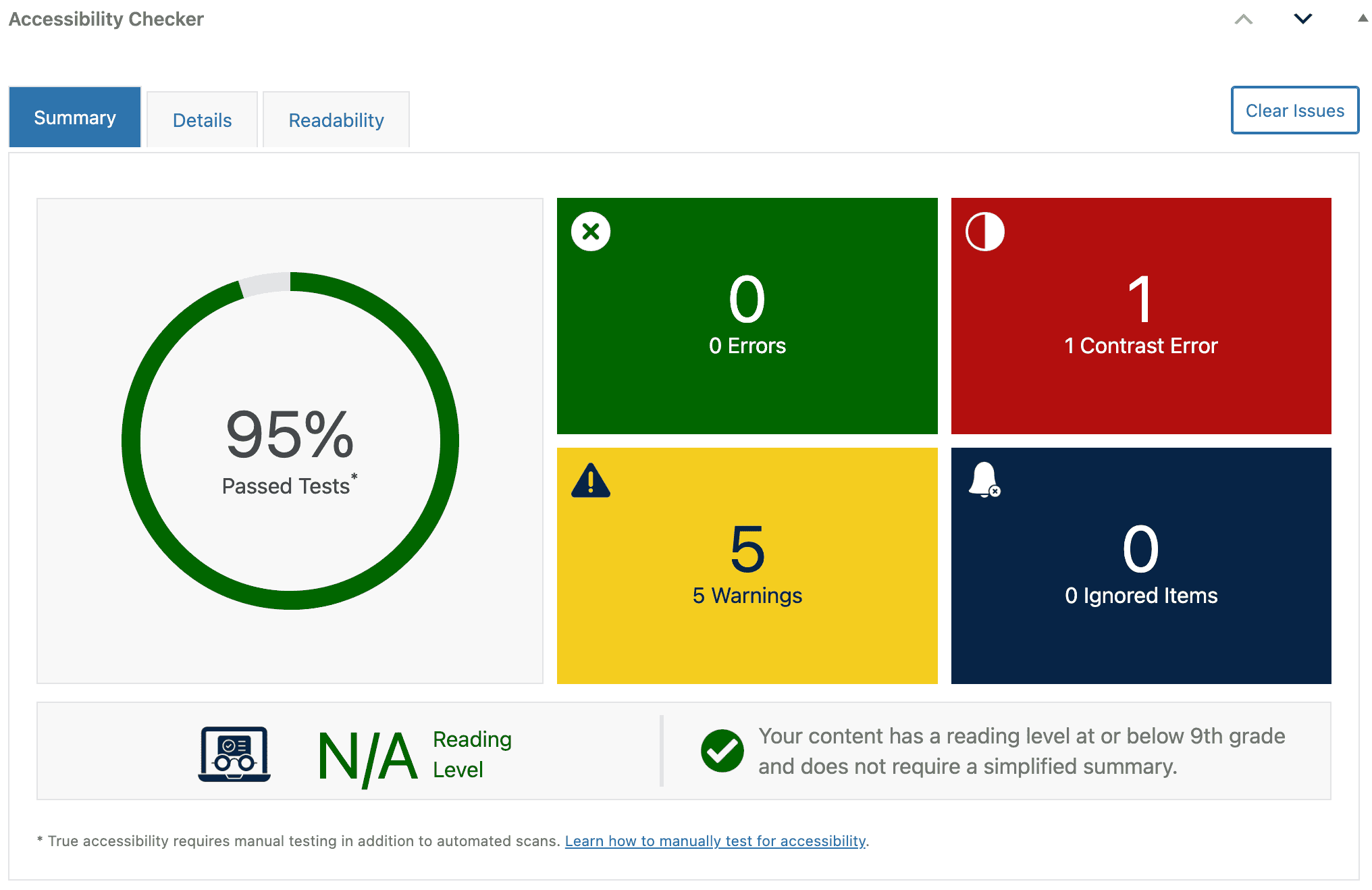
Accessibility checker reporting no detected errors

Accessibility Matters

Real World Legal Examples

Avanti Hotel

Year: 2017

Issue: Website was not accessible to screen readers

Outcome: Hotel faced $8,000–$13,000 in combined settlement, legal fees, and remediation costs. Widely cited because the hotel had fewer than 20 rooms. This small boutique hotels is a single-location, independent hotel—not a chain.

Juan Carlos Gil v...

Year: 2015–present

Issue: Juan Carlos Gil (a visually impaired plaintiff) has filed hundreds of lawsuits against:

  • Small restaurants
  • Local retail shops
  • Professional service websites

Outcome:

  • Most cases settle quickly due to legal costs
  • Many businesses settle for $5,000–$20,000

Why this matters

This shows how small businesses are frequently targeted because they're cheaper and faster to settle with.

Domino's Pizza

Year: 2016-2019

Issue: Website and mobile app were not compatible with screen readers. Domino's tried to argue ADA didn't apply to websites

Outcome: The U.S. Supreme Court refused to hear Domino's appeal, letting the lawsuit proceed and effectively confirmed that websites tied to physical locations must be accessible.

Winn-Dixie Grocery Stores

Year: 2016-2017

Issue: Website was inaccessible to screen readers

Outcome: Federal judge ruled the website violated the ADA. Winn-Dixie was ordered to fix the website and pay legal costs. This became one of the first landmark ADA website rulings. Courts clearly recognized websites as part of the customer experience.

Beyoncé

Year: 2019

Issue: Beyoncé's official website allegedly lacked accessibility features

Outcome: Lawsuit filed in federal court. Case settled (terms not publicly disclosed) Even non-retail, brand-focused websites are targets.

Harvard & MIT

Year: 2015-2020

Issue: Online video content lacked captions for deaf users

Outcome: DOJ-backed lawsuits. Institutions were forced to add captions and accessibility measures. Paid significant legal fees. Education, media, and content-heavy sites are especially exposed.

Target

Year: 2006-2008

Issue: Website inaccessible to blind users

Outcome:

  • Class-action lawsuit
  • $6 million settlement
  • Website overhaul required

Why this matters

This case set the tone for large-scale ADA website litigation.

Have Questions? Let us help!